
AI AgentCrypto MarketL1L2
Why Is ZetaChain Leaving Its Own Blockchain to Focus on AI?
ZetaChain approved a plan to wind down its L1 and migrate ZETA to Solana. Here’s why private AI, Anuma, and AI-agent infrastructure are central.
ZetaChain approved a plan to wind down its L1 and migrate ZETA to Solana. Here’s why private AI, Anuma, and AI-agent infrastructure are central.
Layer 2 adoption grew rapidly in 2025, but liquidity and decentralization challenges remain
Typically, to use the Lightning Network, you’d need to connect with a Lightning wallet or node. However, you must first obtain a suitable wallet to use the Lightning Network.
Polygon is the best fit for someone looking to improve functionality because it is quicker than the other two and offers more benefits due to its ability to work as an independent environment.

Sometimes, choosing a network to use is not entirely down to you. It all depends on the type of transaction and the token involved. For example, if you want to mint an NFT for a project built on Solana, then you must use the Solana network. However, when trying to send multi-chain assets (like USDT)
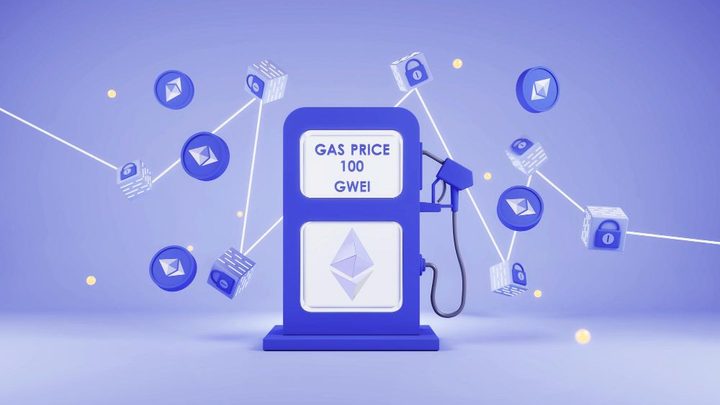
Gas fees on the Ethereum network are denominated in the smallest possible unit of Ethereum (gwei), which is approximately equal to 0.000000001 ETH. Before initiating a transaction on the Ethereum network, you can specify the maximum “gas limit” you are willing to reach for the transaction.
To make an internal transfer on Cwallet, both sender and recipient need to have a Cwallet account, which automatically comes with a unique “Cwallet ID.” This Cwallet ID can be used to complete all transactions to waive all fees, including the gas fees paid to the network validators and miners.
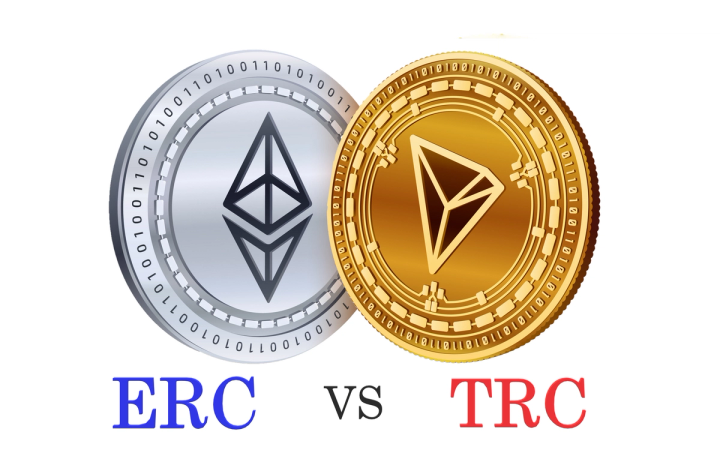
it is evident that the TRC-20 token standard is created as a scalable alternative to the ERC-20 standard. Since both networks’ virtual machines – the Ethereum Virtual Machine (EVM) and the Tron Virtual Machine (TVM) are both programmed in solidity, their smart contracts are interoperable